

English follows below.
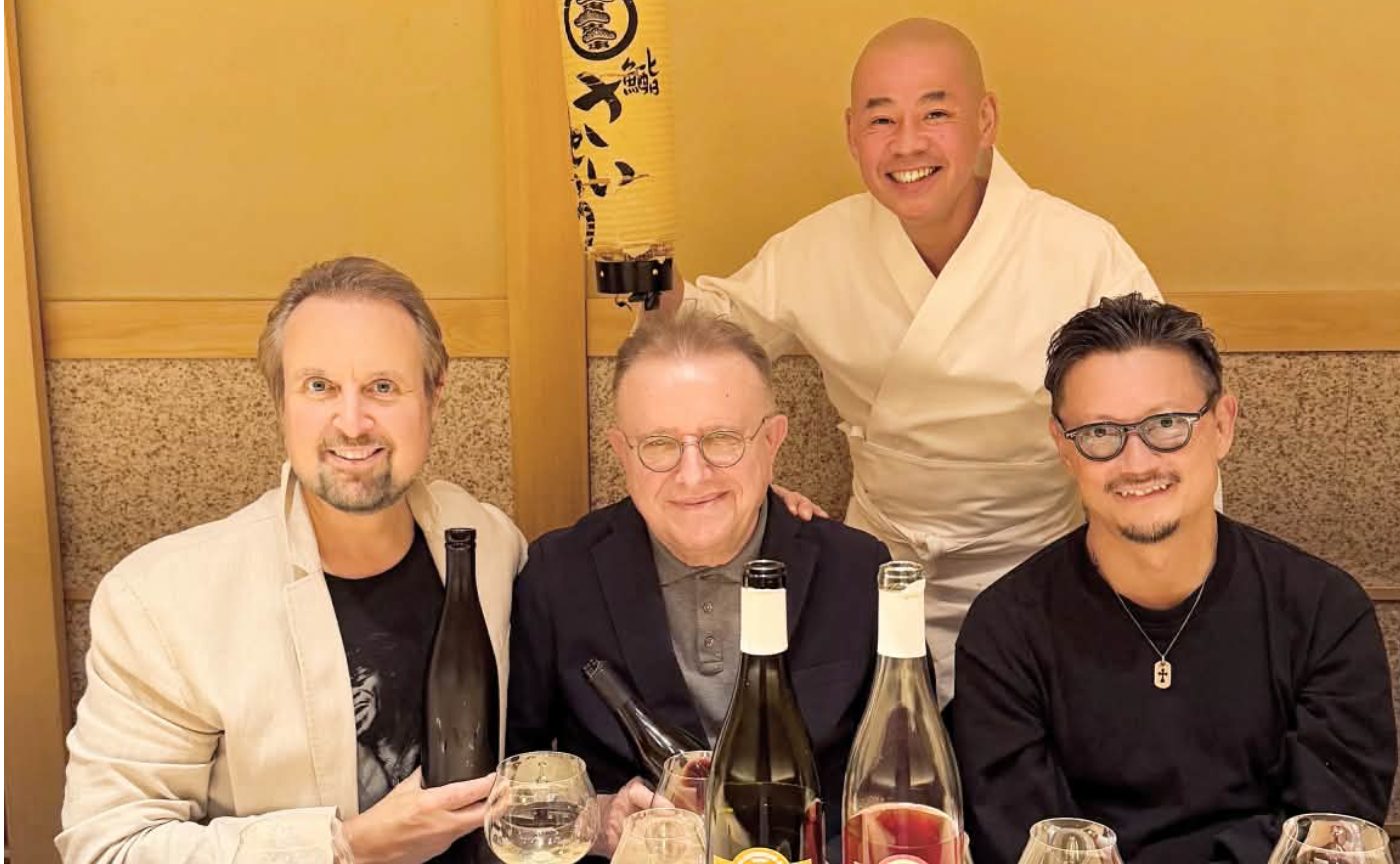
先日、Dom Pérignonの元醸造長リシャール・ジョフロワと、鮨さいとうのカウンターでディナーしたとき、彼はこう言った。
「60になったら、新しいことをどんどんやれ。やらなければしわしわのぶどうになって腐ってしまう。チャレンジし続ければ、ワインになって進化できる」
醸造の世界で数十年生きてきた人間の言葉は、比喩として完璧だった。ぶどうは収穫されただけでは何にもなれない。手をかけ、時間をかけ、変化を受け入れて初めてワインになる。
その言葉が、ずっと頭から離れない。
豊かなはずなのに、何かが足りなかった
正直に言えば、50代の半ばを過ぎて、このまま同じことを続けていていいのかという感覚が、じわじわと出てきた。食べ歩きをして、いいワインを飲み、情報を追いかける。そういう時間は確かに豊かだった。けれど、その豊かさの多くは、誰かがつくったものを受け取る豊かさでもあった。食べる。知る。見る。感心する。そこには感動がある。でも、自分の手はまだあまり使っていない。
消費している。でも、参加していない。
受け取る側にいる。でも、渡す側にいない。
もっと自分の手と体を使って生きたい。そんな感覚をごまかせなくなってきた。
帰る場所を、変える
まだほとんどの人に話していないことを、そろそろ言葉にしておきたいと思った。
60歳になったら、福岡に住もうと思っている。
これまでの東京とハワイの二拠点生活が、福岡とハワイの二拠点に変わる。東京には月2回は行くし、世界を旅するのも同じだ。ただ、帰る場所が変わる。拠点は福岡だが、九州全体に住むイメージでいる。57歳、今年6月に58歳を迎えるこのタイミングで、その選択を現実のものとして考え始めている。そのための2年ほどを、準備期間にするつもりでいる。
福岡は移住先ではなく、再配置先だ
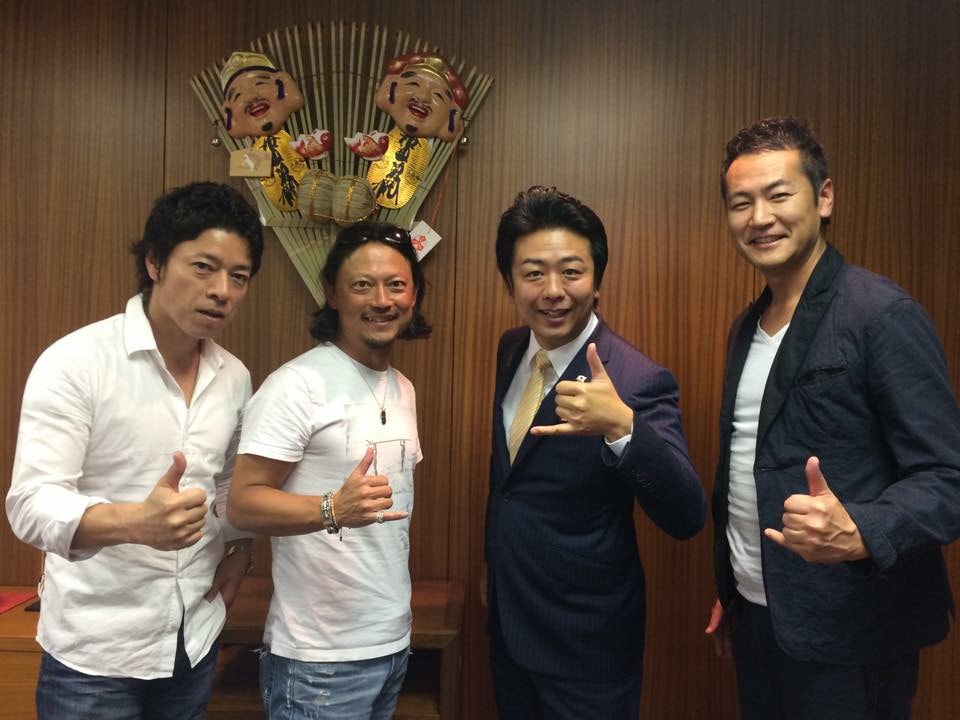 福岡に通い始めた10数年前、高島福岡市長と
みんなはすでに、料理と柔術を僕がやっていることを知っている。鮨から始まり、タコス、ピザ、スパイス、バスクチーズケーキまで広がった料理の世界。怪我が絶えないながらも道場に通い続けるブラジリアン柔術——正直まだ体と相談しながらだが、どちらも60代以降の軸になってほしいと思っている。
その二つを続けるのに、東京でなければならない理由は、もうほとんど残っていない。料理はキッチンがあればどこでもできる。道場は福岡にもある。
福岡は僕にとって、もう「第三の故郷」だ。2010年頃、福岡の顔でもある@トシロー 小柳俊郎と知り合ってから、ずっと通い続けてきた。食、人、空気——気づけば「帰ってきた」という感覚がある都市になっていた。
そして両親がともに長崎出身の僕にとって、福岡に住むことは、九州というルーツに戻ることでもある。宮崎に波を見に行く。佐賀で竹林亭とらかんの湯に入る。熊本には@ツネ熊本【日置経尊】 がいる(笑)。鹿児島で焼酎を飲み、大分で温泉と魚を楽しむ。そういうものが旅先ではなく、生活圏の中に入ってくる。アジアへの玄関口として、市内からのアクセスがいい空港も、旅しながら生きるスタイルには十分すぎる。
コストは、削るのではなく再配置する
これは気分の問題だけではない。数字で見ても、東京に住み続ける理由は、60が近くなった自分にとって少しずつ薄くなっている。食費、住居費、外食コスト——福岡に拠点を移すだけで、かなりの固定費が浮く。天災リスクでいえば、30年以内に大きな地震が起きる確率は東京が約47%、福岡は約6%。ゼロリスクはどこにもないが、60代以降に住む街を選ぶなら、この差は無視できない。
浮いたコストで何をするか。それが本質的な問いだと思っている。差額は旅と食と海に戻す。それだけのことだ。
食べる人から、つくる人へ
ここ数年、毎日のように続けてきた食べ歩きを、これから半分くらいに減らそうと思っている。外食を減らして、その分、自分で料理をして友人をもてなす時間に変えていく。
これは「節約」でも「健康管理」でもない。受け取る側から渡す側へのシフトだ。誰かのために鮨を握り、スパイスを炒り、バスクチーズケーキを焼く——そういう夜を増やしたい。
酒も同じ発想だ。以前ブレインフォグについて書いたとき少し触れたが、60歳を超えたらかなり量を減らすつもりでいる。やめるわけではない。本当に好きなワイン、日本酒、焼酎だけを——量ではなく、解像度で飲む。
60代の武器は、速さではなく深さだ
ハーバードの研究者アーサー・ブルックスは、著書『From Strength to Strength』の中で人生を二つの曲線で描いた。
最初の曲線は「流動性知性」——スピード、瞬発力、素早く吸収する力。20〜30代にピークを迎え、やがて下がっていく。
だが人生には、もう一本の曲線がある。「結晶性知性」——経験、洞察、人とのつながり、深みから生まれる判断力。これは年齢とともに上がり続ける。ブルックスはこれを「第二の曲線」と呼び、人生後半の最大の武器だと言う。
リシャールの「しわしわのぶどう」も、ブルックスの「第二の曲線」も、言っていることは同じだ。変化を受け入れ、挑み続ける人間は年齢とともに深くなる。止まった人間は、縮んでいく。
移住、料理、柔術、旅。20代にやっていたとしたら、それはスピードと勢いで突っ込む話だった。60代でやるのは違う。積み上げてきた知覚と経験を使って、もっと深く、もっと広く楽しむ話だ。
続けること、変えること
続けることははっきりしている。トライアスロンはホノルルの年一回に絞る。サーフィンは宮崎でも糸島でもハワイでも続ける。旅しながら生きるスタイルも変わらない。Destination Restaurantsアワードをはじめとした地方の食文化を応援する仕事も、これからむしろ力を入れていきたい。本を書くことも、変わらず続ける。
それによって何が変わるかというと、日常の解像度が上がる気がしている。東京にいると、情報と刺激の密度が高すぎて、感覚が少し鈍る。福岡の街をはしごする。サーフィンをして、走って、キッチンに立つ。そういう落ち着いた時間の中で、その一つひとつの輪郭が、くっきりする。
20代とは違うやり方で、もう一度全力でいく。
60代という、新しい全力で。
The Second Curve — A New Kind of Full Force in My 60s
The other day, I was sitting at the counter of Sushi Saito — one of the hardest reservations to get in Japan — next to Richard Geoffroy, the legendary former cellar master of Dom Pérignon. We were talking about what comes next. About reinvention. About age.
He leaned over and said something I haven’t been able to shake since.
“When you hit 60, you have to keep trying new things. If you don’t, you shrivel up like a dried-out grape. But if you keep pushing, keep changing — you become wine.”
The man spent decades turning grapes into one of the world’s most iconic wines. He knows what he’s talking about. A grape, freshly harvested, is nothing on its own. It needs time, attention, and the willingness to transform. Only then does it become something worth drinking.
That metaphor has been living rent-free in my head ever since.
Full. But Not Filled.
I’ll be honest. Somewhere in my mid-50s, a quiet but persistent feeling started creeping in. The kind you try to ignore but can’t.
I was doing everything right — by my own definition of right. Eating at great restaurants. Drinking exceptional wine. Staying informed, staying curious, staying busy. By any external measure, life was full.
But full of what, exactly?
Consuming. But not creating.
Receiving. But not giving.
Watching. But not making.
I kept showing up as a spectator in my own life. And I couldn’t pretend that felt okay anymore.
Changing Where I Come Home To
I haven’t told many people this yet. But here it is.
When I turn 60, I’m moving to Fukuoka.
For the past several years, I’ve split my time between Tokyo and Hawaii. That’s changing. Tokyo and Hawaii becomes Fukuoka and Hawaii. I’ll still get to Tokyo twice a month. I’ll still travel the world. But the place I call home — the place I return to — is shifting.
I’m 57. I turn 58 in June. The next two years are my preparation period. I’ll spend stretches of a month or more there, figuring out which neighborhood fits, how the rhythms feel, where I belong.
Not an Escape. A Redeployment.
People who follow me know I’ve been deep into cooking and Brazilian jiu-jitsu. Sushi first, then tacos, pizza, spice-forward Indian cooking, Basque cheesecake. Jiu-jitsu, despite what my body sometimes thinks about it.
Neither of those requires Tokyo. A kitchen is a kitchen. A dojo is a dojo.
Fukuoka is Japan’s best-kept secret — a city of 1.5 million on the northern tip of Kyushu island, compact and incredibly livable, with some of the best food in the country and an airport that sits right inside the city. Seoul is closer than Tokyo. It consistently ranks among Asia’s most livable cities. Every time I land there, something in me relaxes and says: here.
And there’s something deeper. My parents are both from Nagasaki. Moving to Fukuoka means returning to Kyushu — to my roots. The whole island becomes my backyard. Surfing in Miyazaki. Soaking in extraordinary hot spring ryokans in Saga. The fishing towns of Oita. The shochu culture of Kagoshima. These stop being day trips and become just… life.
The Real Question Is What You Do with the Savings
This isn’t just emotional. The numbers back it up.
The cost of living in Fukuoka is dramatically lower than Tokyo — food, housing, daily expenses. The earthquake risk, according to Japan’s national seismic data, is roughly 6% probability of a major quake in the next 30 years. In central Tokyo, that number is 47%.
No place is risk-free. But when you’re choosing where to build the next chapter of your life, a gap like that matters.
The money that frees up doesn’t go into a savings account. It goes back into travel, food, and the ocean. That’s the whole point.
From Consumer to Creator
For years I ate out almost every day. That’s changing — cutting it roughly in half. The time and money that opens up goes toward cooking for people I care about.
This isn’t about saving money. It’s not about health, exactly either. It’s about crossing the line from receiver to giver. There’s a different satisfaction in pressing sushi rice, toasting spices, pulling a Basque cheesecake from the oven for friends — one I never found on the other side of the table.
Same logic applies to drinking. I’m not quitting. But I’m done drinking out of habit or social momentum. Only what I actually want. Only when I actually want it. The volume drops naturally when the intention gets clearer.
The Weapon of the Second Half
Harvard researcher Arthur C. Brooks wrote about this in From Strength to Strength — a book I keep coming back to.
He maps two curves across a human life. The first is fluid intelligence: raw processing speed, the ability to absorb new information fast, pattern recognition in real time. It peaks in your 20s and 30s. Then it starts to decline.
But there’s a second curve. Crystallized intelligence: wisdom, judgment, the ability to connect disparate ideas, depth of relationships, knowing what actually matters. This one keeps rising with age — if you let it.
Brooks calls this the second curve. The greatest weapon of the second half of life.
Richard’s wrinkled grape. Brooks’s second curve. They’re saying the same thing.
The people who keep pushing, keep experimenting, keep showing up with curiosity — they deepen with age. The ones who stop moving shrink.
Relocation. Cooking. Jiu-jitsu. Travel. If I’d done any of these at 25, it would have been about speed and energy and proving something. At 60, it’s different. It’s about using everything I’ve accumulated — every meal, every conversation, every failure — to go deeper and wider than I ever could before.
What Stays. What Changes.
Some things aren’t moving.
The Honolulu Triathlon, once a year — I’m done spreading myself across events. Surfing wherever the waves are — Miyazaki, Itoshima, Hawaii. Writing books. Supporting regional food culture through the Destination Restaurants Award. Traveling as a way of life.
What shifts is the texture of ordinary days. Tokyo is relentless. The density of information, stimulation, obligation — it’s extraordinary, and it costs you something you can’t always name. In Fukuoka, I surf. I run. I stand in a kitchen and cook. The pace lets things come into focus.
The Second Curve Starts Now.
A different approach than my 20s. A different kind of full force.
That’s the plan.